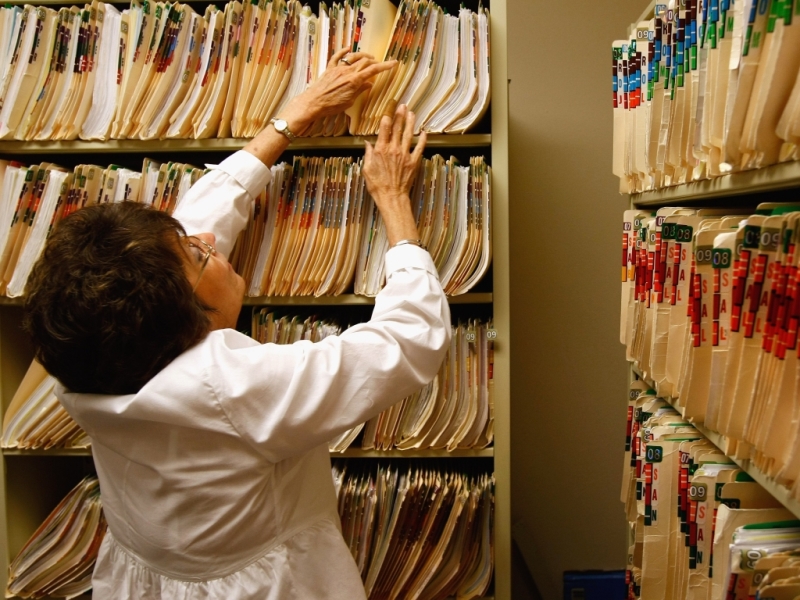
Medical Billing & Coding Education Requirements: Essential Skills & Certification pathways
Are you considering a rewarding career in the healthcare industry? Medical billing and coding offer an excellent prospect to make a meaningful impact while enjoying a stable and growing profession. But what does it take to start on this career path? In this comprehensive guide, we will explore the education requirements, essential skills, certification pathways, and practical tips to succeed in the medical billing and coding field. Whether you’re a recent graduate or contemplating a career shift, this article will provide valuable insights to help you navigate your journey.
What is Medical Billing & Coding?
Medical billing and coding are vital components of healthcare administration. They ensure healthcare providers are accurately reimbursed for their services by translating medical diagnoses, procedures, and services into universally recognized codes.This process streamlines insurance claims, billing, and record-keeping, making it essential for healthcare organizations worldwide.
why Pursue a Career in Medical Billing & Coding?
- High Demand: With the ongoing expansion of healthcare services, the need for skilled medical billers and coders continues to grow.
- Flexible Work Options: Many professionals work remotely or in office settings.
- Relatively Short Training Period: Entry into the field can be achieved with targeted education and certification.
- Competitive Salary: Salaries in medical billing and coding are attractive and increase with experience and certification.
Education Requirements for Medical Billing & coding
Minimum Educational Qualifications
Most entry-level medical billing and coding positions require at least a high school diploma or equivalent (GED). Though, pursuing post-secondary coursework considerably enhances your knowledge base and job prospects.
Post-secondary education Options
- Certificate Programs: Short-term programs that focus on foundational skills and coding techniques. Ideal for rapid entry into the workforce.
- Associate Degree: A two-year degree in health data technology, health administration, or related fields, providing a broader understanding of healthcare systems.
- Bachelor’s Degree (Optional): For advanced roles, management positions, or specialization in health informatics.
Coursework Typically Included
- Medical terminology
- Healthcare documentation
- Health insurance and billing processes
- Medical coding (ICD, CPT, HCPCS)
- Legal and ethical issues in healthcare
Essential Skills & Qualities needed for Medical Billing & Coding
Beyond formal education, developing specific skills and qualities can greatly enhance your effectiveness and career growth:
- Attention to Detail: Accurate coding and billing prevent claim denials and legal issues.
- Analytical Skills: Ability to interpret medical records and translate them into correct codes.
- Dialog Skills: Clear communication with healthcare providers and insurance companies.
- Technology Proficiency: Familiarity with billing software, electronic Health records (EHR), and coding systems.
- Ethical Judgment: Respect for patient confidentiality and compliance with HIPAA regulations.
Certification Pathways for Medical Billing & Coding
While certification is not always mandatory,obtaining a recognized credential can boost employability and earning potential. Here are the primary certifications:
Popular Certifications
| Certification | Issuing Association | Eligibility Requirements | Focus Area |
|---|---|---|---|
| Certified Professional Coder (CPC) | American Academy of Professional Coders (AAPC) | High school diploma or equivalent; some coursework recommended | Medical coding in outpatient and physician-based settings |
| Certified Coding Specialist (CCS) | American Health Information Management association (AHIMA) | Post-secondary education or coding experience | Advanced coding for hospitals and inpatient records |
| Certified Medical Reimbursement Specialist (CMRS) | American Medical Billing Association (AMBA) | Experience in billing and coding; training preferred | Medical reimbursement and billing practices |
Steps to Certification
- Complete relevant education or training program.
- Gain practical experience if required.
- Prepare for certification exams using study guides and practice tests.
- Apply and pass the certification exam(s).
- Maintain certification through continuing education credits.
Practical Tips for Aspiring Medical Billers & Coders
- Invest in Quality Training: Enroll in accredited programs offering comprehensive curriculum.
- Gain Hands-On Experience: Volunteer or seek internships to build real-world skills.
- Stay Updated: Keep abreast of changes in coding standards and healthcare regulations.
- network: Join professional associations like AAPC or AHIMA for resources and connections.
- Work on Soft Skills: Improve communication and organization for career advancement.
Benefits of certification and Education
- Higher Salary Potential: Certified professionals often earn more than non-certified counterparts.
- Employment Advantage: Certification can differentiate you in competitive job markets.
- Career Advancement: Opens doors to management roles and specialization areas.
- Job Security: As healthcare evolves,trained and certified professionals remain in demand.
Case Study: From Novice to Certified Professional Coder
Jane Doe started her career in healthcare as a data entry clerk.Recognizing her interest in medical billing, she completed a certificate program in medical coding, obtained her CPC certification, and gained internship experience. Within a year, Jane secured a full-time coding position, earning a higher salary and advancing to team lead. Her journey highlights how targeted education and certification can accelerate your career in medical billing and coding.
Conclusion: Your Pathway to a Accomplished Medical Billing & Coding Career
Embarking on a career in medical billing and coding requires a blend of the right education, essential skills, and professional certification. While the educational requirements are accessible-ranging from certificate programs to associate degrees-certification significantly enhances employability and earning potential. By developing attention to detail, understanding medical terminology and coding standards, and earning recognized credentials like CPC or CCS, you can position yourself for success in this dynamic healthcare field. Start today by exploring accredited programs and certification options, and take the first step toward a rewarding career that offers stability, growth, and the opportunity to make a difference in patient care.